Mastering Your Digital Business Setup UK for Expats: A Comprehensive Guide

Mastering Your Digital Business Setup UK for Expats: A Comprehensive Guide
The United Kingdom remains a premier destination for entrepreneurs seeking to launch and grow digital businesses. Its robust economy, supportive legal framework, and innovative ecosystem make it particularly attractive for international founders. If you’re an expat looking into digital business setup UK for expats, navigating the process can seem daunting, but with the right guidance, it’s an achievable and rewarding venture. This article will provide a detailed roadmap to help you establish your digital enterprise in the UK successfully.
Understanding the UK Business Landscape for Expats
The UK offers significant advantages for digital businesses, including access to a large consumer market, a thriving tech scene, and a strong professional services sector. For expats, understanding the local context is crucial to ensure a smooth setup.
Key Considerations Before Starting
Before diving into the specifics of your digital business setup UK for expats, consider these fundamental points:
- Business Idea Validation: Ensure your digital product or service has a market in the UK or globally, leveraging the UK’s international connectivity.
- Visa Requirements: Confirm your visa status allows you to run a business in the UK. Options like the Innovator Founder visa or Skilled Worker visa (for directors) might be relevant.
- Market Research: Understand your target audience, competitors, and the regulatory environment for your specific digital niche.

Legal Structures for Your Digital Business
Choosing the correct legal structure is a critical step in your digital business setup UK for expats. This decision impacts your liability, tax obligations, and administrative burden.
Sole Trader vs. Limited Company
- Sole Trader: Simple to set up and manage, ideal for smaller operations or testing an idea. You are personally liable for all business debts.
- Limited Company: A separate legal entity from its owners, offering limited liability protection. More complex to set up and administer, but often preferred for growth-oriented digital businesses due to perceived professionalism and tax efficiencies.
Other Options
While less common for individual digital startups, other structures like Partnerships or Limited Liability Partnerships (LLPs) exist for businesses with multiple owners.
Step-by-Step Digital Business Setup UK for Expats
Once you’ve decided on your business idea and legal structure, you can proceed with the practical steps.
Registering Your Business
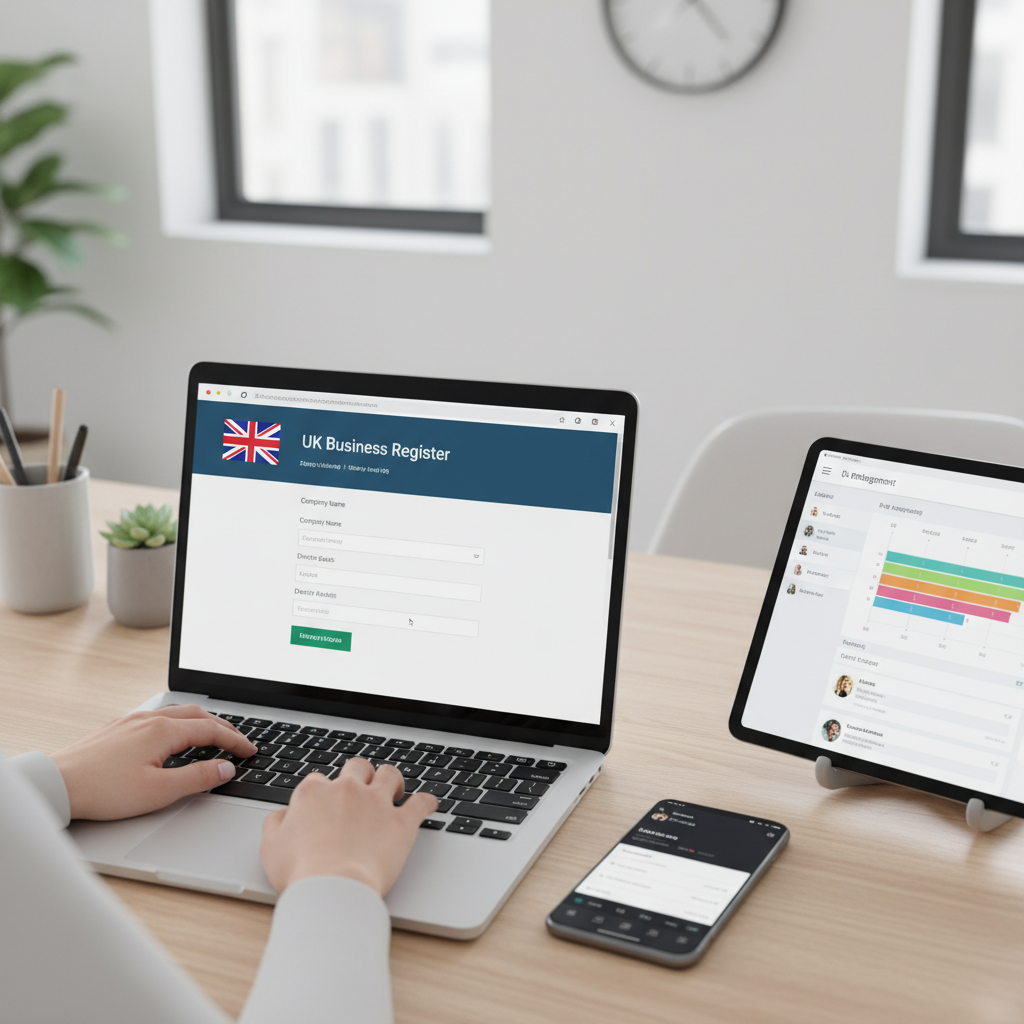
- Limited Company: Register with Companies House. You’ll need a company name, a registered office address in the UK, and details of directors and shareholders. This can often be done online quickly.
- Sole Trader: Register for Self Assessment with HMRC (HM Revenue & Customs) after you start trading.
Opening a Business Bank Account
Expats might find this step challenging due to address verification requirements. Many traditional banks require a UK residential address and proof of residency. However, challenger banks and online business accounts are often more expat-friendly, offering digital onboarding.
Navigating UK Taxation
Understanding your tax obligations is paramount for digital business setup UK for expats.
- Corporation Tax: Payable by limited companies on their profits.
- Income Tax & National Insurance: Applicable to sole traders’ profits and directors’ salaries/dividends from limited companies.
- VAT (Value Added Tax): You must register for VAT if your taxable turnover exceeds the threshold (currently £90,000 for 2024/25). Many digital services may fall under VAT rules, even for international clients.
- Accountants: Engaging a UK-based accountant specializing in expat businesses is highly recommended to ensure compliance.
Essential Digital Tools and Services
Leverage digital solutions to streamline your operations:
- Accounting Software: Xero, QuickBooks, or FreeAgent for managing finances.
- Payment Gateways: Stripe, PayPal, or Square for processing online payments.
- Project Management: Asana, Trello, or Monday.com for team collaboration.
- Cloud Storage: Google Drive, OneDrive, or Dropbox for secure file management.
- Communication Tools: Slack, Microsoft Teams, or Zoom for internal and external communication.
Compliance and Ongoing Management
Once your digital business setup UK for expats is complete, focus on ongoing compliance and growth:
- Annual Filings: Limited companies must file annual accounts and a confirmation statement with Companies House.
- Tax Returns: All businesses must submit annual tax returns to HMRC.
- Data Protection (GDPR): Ensure your digital business complies with GDPR regulations regarding customer data.
- Intellectual Property: Protect your brand and digital assets by registering trademarks or copyrights where necessary.
Conclusion
Embarking on a digital business setup UK for expats offers a world of opportunity. By carefully planning your legal structure, understanding your tax obligations, and leveraging the wealth of digital tools available, you can establish a thriving enterprise in one of the world’s most dynamic economies. With a strategic approach and professional advice, your journey as an expat entrepreneur in the UK can be incredibly successful.